This interactive workspace has been created to complement the AccessibleEU LinkedIn Group to generate knowledge and discussion about accessibility in the European Union.
The Project focuses on facilitating accessible and sustainable tourism in the Central Baltic regions, by improving access to nature tourism infrastructure, products and information, thus contributing to the increase of the number of tourists.
ONAT4All is an important step towards achieving a more inclusive society by ensuring access and equal opportunities for Persons with Disabilities (PWDs) in outdoors and adventure tourism.
The Year of Accessible Tourism in Queensland is an opportunity to recognise the importance of accessible tourism experiences for all, and to ignite change and create opportunities for Queensland tourism businesses.
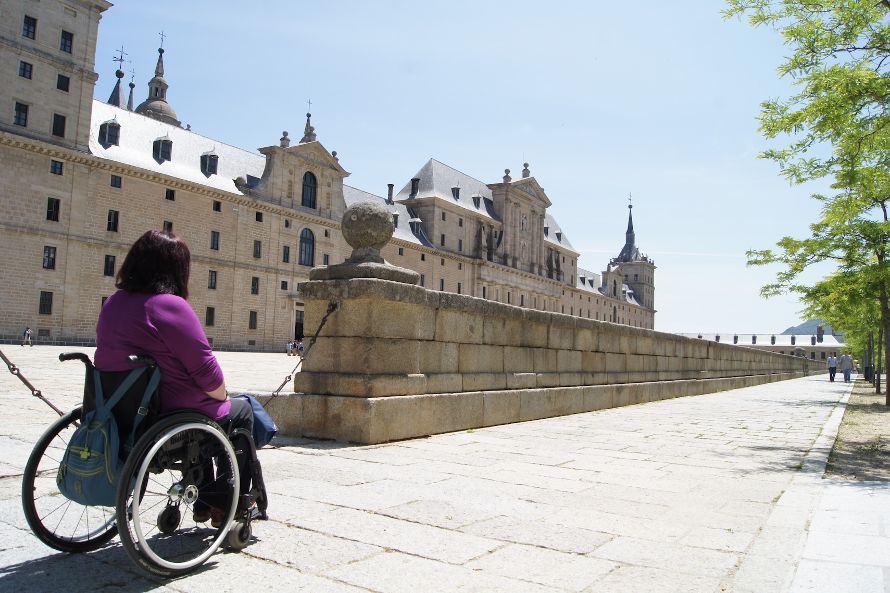
The ECTN will award "European Collaboration for Smart and Sustainable Cultural Tourism Destinations", with the first theme addressing Accessibility to Heritage.
MADRID – FITUR, in collaboration with IMPULSA IGUALDAD, creators of the accessible tourism brand TUR4all, have organised the FITUR 4Aall section, which is being held for the first time in 2024 with the aim of strengthening the quality, diversity and inclusion of the tourism offer.
The International Tourism Trade Fair, FITUR, in collaboration with IMPULSA IGUALDAD, announces the opening of the first edition of the FITUR 4all 2024 Awards, which recognise the efforts of destinations, companies and institutions in the development and promotion of accessibility in the industry.
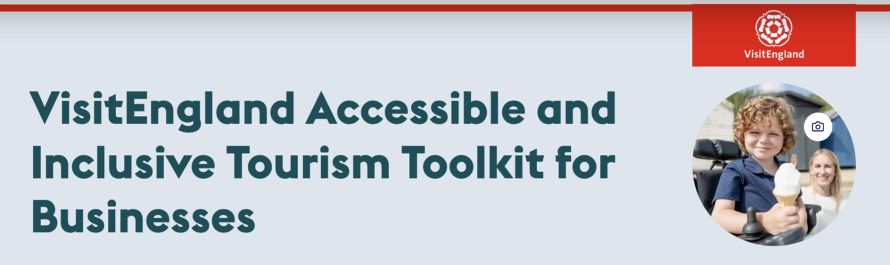
On 30 November VisitEngland launched its new ‘Accessible and Inclusive Toolkit for Tourism Businesses’in England. The toolkit includes practical guidance on providing an inclusive welcome, designing accessible buildings, employing disabled people and creating quality accessibility information.
UNWTO, Fundación ONCE and UNE have issued a set of guidelines based on ISO Standard 21902:2021 Tourism For All, targeting key players in management of natural resources, who wish to make their offerings more accessible.
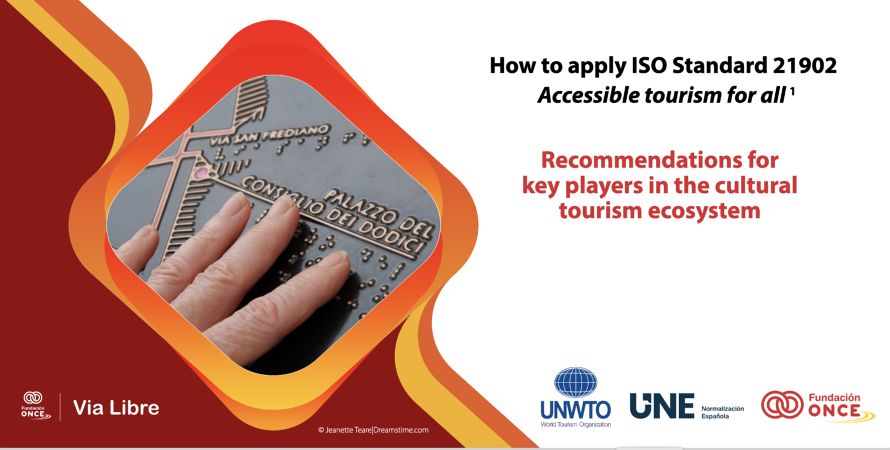
UNWTO, Fundación ONCE and UNE have issued a set of guidelines based on ISO Standard 21902:2021 Tourism For All, targeting key players of the cultural tourism ecosystem, who wish to make their offerings more accessible.
The purpose of this document is to provide background information related to EU policies, legislation and standards that aim to ensure accessibility of the built environment for all citizens.