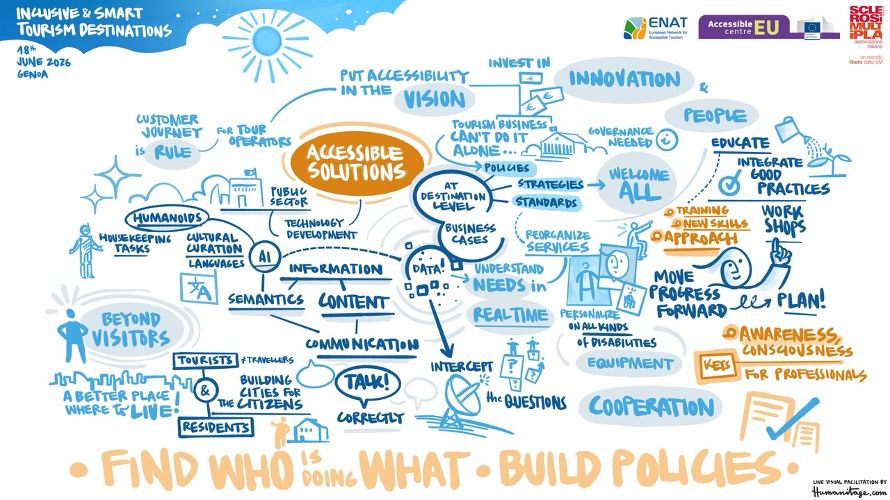
The international conference “Inclusive and smart tourism destinations: strategies for innovation” brought together institutions, tourism professionals and experts to share strategies, best practices and visions for developing accessible and inclusive destinations.
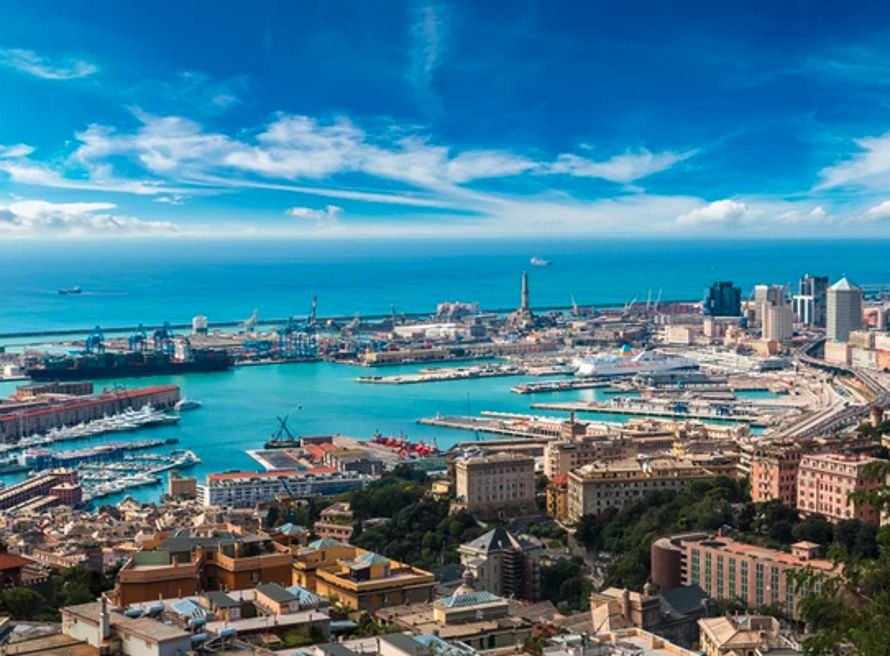
On Thursday 18th June the Genoa Aquarium will host this International Conference with a line of high-level speakers representing leading European destinations, cities and tourism authorities. Register now.
Following the launch of Portugal’s Accessible Tourism certification scheme in February 2025, Turismo de Portugal continues to promote the implementation of NP ISO 21902:2022 – Tourism and related services — Accessible tourism for all.
ENAT is pleased to share this announcement from the European Capitals of Tourism 2027 Secretariat, on behalf of the European Commission Directorate General Transport and Tourism.
This themed collection of articles will showcase the most significant and forward-looking research advancing accessibility, inclusion, and equity across the global tourism system. Submission deadline is extended to Monday 4th May 2026.
As part of the European Commission’s AccessibleEU Centre initiative, a new study will explore how companies across the EU perceive, approach and implement accessibility in their products and services.
The European Capital of Smart Tourism and European Green Pioneer of Smart Tourism Awards recognise outstanding achievements in smart and sustainable tourism.
PANTOUR is a follow-up project of NTG (Next Tourism Generation Skills Alliance). The consortium aims especially at designing innovative and cooperative solutions to address skills needs in the tourism ecosystem.